|
Feature |
PL3D (Percutaneous Laser Diode Disc Decompression) |
PLDD (Percutaneous Laser Disc Decompression) |
PDCT (Percutaneous Disc Coagulation Therapy) OLD-TECHNOLOGY-FAILURE |
|
Mechanism |
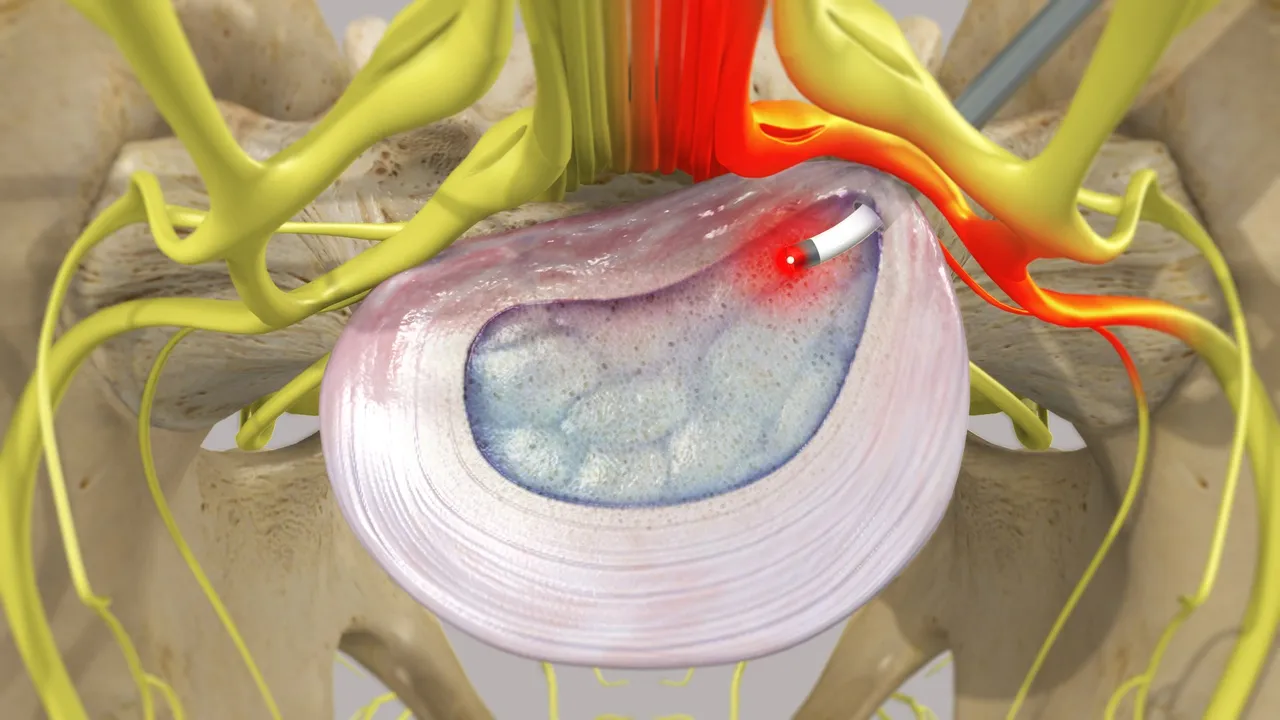
Low-temperature vaporisation of disc material |
High-temperature burning of disc tissue |
Burning using high wattage (30W), plasma-based |
|
Temperature in Disc |
< 50°C |
Can exceed 80–100°C |
Can exceed 100°C |
|
Risk of Tissue/Burn Injury |
Very Low |
High (risk of nerve root and endplate injury) |
Very High |
|
Fiber Optic Safety |
Full pre-procedure fiber optic & laser diode check |
No safety check available Surgeons check fiber visually, which is unreliable |
No fiber optic check |
|
Energy / Joule Delivery |
Guaranteed consistent emission (self-calibrated) |
Unpredictable — may emit too much or too little Joules |
High watt bursts |
|
Outcome Control |
Stable, controlled, predictable |
Variable due to fiber optic failures |
Hard to control, risk of overheating |
|
Disc Pressure Management |
Has external suction system to remove gases; prevents pressure buildup |
No suction; gases may remain in disc |
No suction |
|
Laser Effect |
Vaporises nucleus pulposus gently |
Burns disc material → can cause charcoal effect |
Coagulates at high heat |
|
Safety Level |
Highest among laser-based disc procedures |
Moderate–Low |
Low |
|
Complication History |
Engineered to address PLDD failures |
Published cases of nerve root heat injury and disc adhesion |
High complication rate in literature |
|
Technology Focus |
Patented next-generation safety system |
Older technology with no modern safeguards |
Outdated, highest heat risk |
|
Cost |
Higher (due to advanced safety) |
Medium |
Lower, but higher complication risk |
|
Who Should Consider |
Patients wanting safer, minimally invasive disc decompression |
Patients opting for older laser techniques |
Rarely recommended due to risk |